

Vegan and gluten-free snacks are everywhere in supermarkets, meal deals, offices, and online snack boxes. They’re often associated with being healthier, lighter, or more “diet-friendly”.
But here’s the honest answer many people are surprised by:
Vegan and gluten-free snacks are not automatically good for weight loss.
They can support weight loss, but only when the fundamentals are right. Calories, protein, fibre, portion size, and how satisfied you feel after eating matter far more than whether a snack is labelled vegan or gluten-free.
This matters whether you’re:
Let’s break it down clearly, calmly, and without diet hype.
In short: sometimes, but not by default.
The real drivers of weight loss
According to NHS style guidance, sustainable weight loss comes from consistently consuming fewer calories than you burn, while still meeting nutritional needs. The NHS is clear that no single food or label causes weight loss on its own; overall energy balance matters most.
The calorie deficit is the key driver, not whether food is vegan or gluten-free.
Vegan and gluten-free snacks can support weight loss if they:
They can just as easily hinder progress if they’re high in fat, sugar, or eaten mindlessly.
The “health halo” problem
This is where the vegan weight loss myth and gluten-free weight loss myth overlap.
It’s common to assume:
“It’s vegan and gluten-free, so it must be low-calorie.”
In reality:
If weight management is the goal, these factors matter most.
1. Protein (even modest amounts)
Protein helps keep you fuller for longer and supports satiety, a key factor when snacking for fat loss. Research consistently shows that higher protein diets support appetite control.
Good high-protein vegan snacks that are also gluten-free include:
2. Fibre for fullness
Fibre slows digestion, supports gut health, and helps you feel satisfied after eating. The British Dietetic Association highlights fibre’s role in appetite regulation and overall dietary quality.
Useful high fibre snacks include:
3. Volume without excess calories
Foods with higher volume and water content help you feel satisfied with fewer calories, a strategy often recommended in weight management guidance.
Examples:
This approach supports vegan and gluten-free snacks for weight loss without feeling deprived.
4. Portion control
Portion size often matters more than food choice.
Helpful options include:
This is where portion-controlled snacks are especially useful during busy workdays or long meetings.
Here are realistic UK snack ideas that can support weight loss when portions are sensible.
Better everyday options
Treat style snacks (still fine, just mind portions)
Simple swaps that help
Weight loss doesn’t require cutting out snacks; it requires intentional snacking.
Ultra-processed foods (UPFs) are foods made using refined ingredients and additives, designed for convenience and long shelf life. The World Health Organisation and academic institutions note that high intakes of UPFs are associated with higher calorie consumption.
Harvard School of Public Health explains that ultra-processed foods are easier to overeat because they are highly palatable and require little chewing.
Important nuance:
1. Calorie-dense “healthy” snacks
Nuts, seeds, and nut bars are nutritious but easy to overeat.
2. Liquid calories
Smoothies and juices don’t trigger satiety in the same way as chewing solid food, which can make them less helpful for weight loss.
3. All day grazing
Desk snacking without hunger cues often leads to excess calories, especially in office settings.
4. Label tunnel vision
Vegan ≠ slimming
Gluten-free ≠ low calorie
Always check calories per portion, protein, fibre, sugar, and ingredient lists.
Framework 1: The planned snack
Example: popcorn plus fruit.
Framework 2: The hunger check
Ask yourself: “Am I hungry, or just bored, stressed, or procrastinating?”
Framework 3: Office-friendly structure
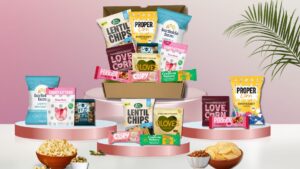
For busy individuals and offices managing multiple dietary needs, curated snack boxes like Snack Packs can make healthy snacking simpler. Having vegan, gluten-free, and mixed options in one place supports inclusivity, while portion-friendly snacks help reduce mindless grazing, especially in workplace settings.
Are vegan and gluten-free snacks automatically lower in calories?
No. Calories depend on ingredients and portion size, not labels.
Can going gluten-free help you lose weight if you’re not coeliac?
Usually not. The NHS states that gluten-free diets are essential for coeliac disease, but do not guarantee weight loss for others.
What are the best vegan and gluten-free snacks for weight loss?
Those with fibre, some protein, and controlled portions such as popcorn, fruit, roasted pulses, and protein-based snacks.
What should I look for on labels?
Calories per portion, protein, fibre, sugar, and ingredient length. UK labels also include “may contain” statements due to cross-contamination risks.
Are nuts good for weight loss or too high in calories?
They can support satiety but are energy dense, so smaller portions work best.
Are gluten-free snacks more processed?
Some are. Gluten-free does not automatically mean whole food-based.
How many snacks a day are OK for weight loss?
For many people, 1-2 planned snacks fit well within a calorie deficit.
What’s a good high-protein vegan snack that’s gluten-free?
Roasted chickpeas, soy-based snacks, or lower sugar protein bars.
What are good, healthy office snacks for weight loss?
Popcorn, fruit, portioned nuts, roasted pulses, and simple protein snacks.
Vegan and gluten-free snacks can support weight loss, but they’re not a shortcut.
What matters most is:
When snacks are planned, satisfying, and enjoyable, they support long-term habits at home and in the workplace.
Friendly disclaimer
This article is for general information only and does not replace personalised medical or nutritional advice. If you have a medical condition or a history of disordered eating, seek guidance from a qualified professional.